


Why Choose Us?
Make it personal
When you work with us, you can count on personalized, one-on-one service every step of the way.
Excellent quality
The products are excellent and the details are carefully processed. Every raw material is strictly controlled.
Attractive design
Every month, our design team will do pattern design based on the lastest fashion trend.
Cheap price
We have professional sourcing team and cost accounting team, stive to reduce cost and profit and provide you a good price.
What is a Fleece Fabric?
Fleece fabric is a synthetic fabric with a soft and smooth texture. With its unique characteristics, provides a comfortable and versatile option for clothing designers and manufacturers who want to create comfortable, durable, and fashionable clothing.
-

Teddy Bear Sherpa Fleece Fabric
Products Description Leopard print polar fleece rib fabric is a high-quality fabric that is popularly used in the fashion industry. It is made from soft and warm polar fleece material that adds an
Add to Inquiry -
Houndstooth Sherpa Lamb fur Fleece Fabric
Products Description Leopard print polar fleece rib fabric is a high-quality fabric that is popularly used in the fashion industry. It is made from soft and warm polar fleece material that adds an
Add to Inquiry -
Brushed Single Side Polar Fabric
Products Description Leopard print polar fleece rib fabric is a high-quality fabric that is popularly used in the fashion industry. It is made from soft and warm polar fleece material that adds an
Add to Inquiry -
Products Description Leopard print polar fleece rib fabric is a high-quality fabric that is popularly used in the fashion industry. It is made from soft and warm polar fleece material that adds an
Add to Inquiry -
Products Description Bird-eye mesh fabric is a popular choice for sports wear and shirts due to its unique properties. Made from lightweight and breathable materials, this fabric is perfect for any
Add to Inquiry -
Products Description Bird-eye mesh fabric is a popular choice for sports wear and shirts due to its unique properties. Made from lightweight and breathable materials, this fabric is perfect for any
Add to Inquiry -
Sportswear Fabric For Sportswear Cloth
Products Description Bird-eye mesh fabric is a popular choice for sports wear and shirts due to its unique properties. Made from lightweight and breathable materials, this fabric is perfect for any
Add to Inquiry -
Sports Jersey Sportswear Fabric
Products Description Bird-eye mesh fabric is a popular choice for sports wear and shirts due to its unique properties. Made from lightweight and breathable materials, this fabric is perfect for any
Add to Inquiry -
Products Description One Side Printing Sherpa Fleece Fabric for Garment is an ideal fabric for making all kinds of style of clothes. The fabric is made of comfortable soft lamb wool, which can bring
Add to Inquiry -
Holographic Stretch Sequin Fabric
Products Description Sherpa Boucle Fleece Fabric is a high quality double-sided brushed fabric known for softness and comfort, warmth and breathability, and beauty and fashion. The double-sided
Add to Inquiry -
Products Description Sherpa Boucle Fleece Fabric is a high quality double-sided brushed fabric known for softness and comfort, warmth and breathability, and beauty and fashion. The double-sided
Add to Inquiry -
Products Description Sherpa Boucle Fleece Fabric is a high quality double-sided brushed fabric known for softness and comfort, warmth and breathability, and beauty and fashion. The double-sided
Add to Inquiry


Our advantage

Good warmth retention
Fleece fabric has denser fibers and longer plush, which can effectively block cold air and enhance the warmth retention effect.

High comfort
The fleece fabric is soft and comfortable, has a delicate feel, is comfortable to wear, and is not prone to static electricity.

Strong wear resistance
The fibers of the fleece fabric have been treated to enhance its wear resistance and have a longer service life.

Lightweight and easy to carry
Fleece fabric is lightweight and easy to carry, making it very suitable for outdoor activities.
Types of Fleece Fabric
Microfleece
Microfleece is the lightest, thinnest, and most popular type of fleece. It wicks away moisture and has a soft, plush texture that is gentle on the skin.
Cotton and cotton blend fleece
Cotton and cotton blend fleece, like microfleece, are also popular types of fleece. They are also more porous and tend to lose heat faster than other types of fleece fabric.
Polar fleece
Polar fleece is regarded as one of the more economical types of fleece. It has two distinguishing characteristics: one, it does not allow moisture to evaporate easily, and two, it is available in a variety of colours.It is, however, extremely effective at keeping one warm in cold weather.
Coral fleece
Coral fleece has a very soft texture, which, while preferred by many, contributes to it being more expensive than other types of fleece.
Material of Fleece Fabric
Be used in a wide range of industries.

Animal fleece
Animal fleece is made from wool. Wool is the textile fabric derived from the natural fibers in an animal's fur.

Plant fleece
This is fabric made from fibers harvested from plants like cotton, bamboo, and hemp.
Synthetic fleece fabrics
Synthetic Fleece is mainly made from polyester, a man-made fabric derived from petroleum products.

Polyester fleece
This is the most common fleece fabric. It is a soft, plush, and warm fabric made from polyester.
Sherpa fleece
Sherpa fleece is a thick and snugly fabric made from polyester. It is very warm and is often used to line garments for extra warmth.

Micro fleece
This is a very thin and light fleece fabric (hence the name 'micro') made from polyester.
What are the Applications of Fleece Fabric?
Apparel: One of the most notable features of this fabric is its softness. This makes it perfect for use in winter clothing such as coats, jackets, and sweaters, as it will insulate your body from the cold.
Home textiles: Its high-quality, lightweight, and comfortable properties make it ideal for clothing, bedding, and home decor products.
Hat and scarf: As fleece is so warm and comfortable, it would be the perfect material to use for your very own winter hat.
Fleece blankets: This warm and soft material is guaranteed to make the perfect blanket material, which will easily keep you nice and cosy on those chilly winter days.
Fleece Fabric Craftsmanship

Melting and extrusion
Melting is the process of transforming a solid material into a liquid state by applying heat. The primary objective is to make the material easier to manipulate, shape, or process.
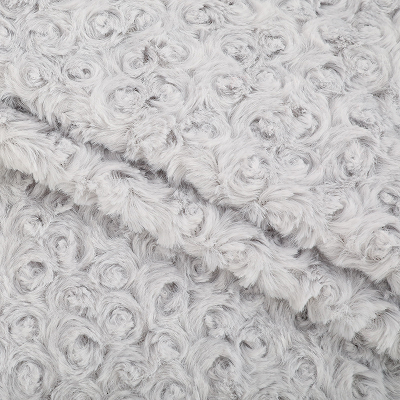
Extrusion
Extrusion is typically a continuous process, where the material is continuously fed into the extruder, shaped through the die, and cut or cooled at the other end.

Spinning
The extruded filaments are then spun into yarn. The yarn can be further modified to achieve various fleece types, such as microfleece, polar fleece, or anti-pill fleece, by controlling the thickness and structure of the yarn.

Knitting or weaving
Fleece fabric is primarily created through a knitting process, although there are woven variations as well. In knitting, the yarn is interlooped to create a fabric structure.

Brushing and napping
One of the defining features of fleece is its fuzzy, soft surface. The fabric is passed through mechanical rollers with wire brushes, which raise the fibres on the surface, creating the characteristic fuzzy texture.

Dyeing and printing
To add colour and patterns, fleece fabric may undergo a dyeing or printing process. Dyeing involves immersing the fabric in a coloured solution, while printing involves applying colour using specialised machines.

Inspection and quality control
The fabric is inspected for any defects, and any substandard material is removed from the production line to ensure consistent quality.

Cutting and sewing
Once the fleece fabric is ready, it's cut into the desired patterns and pieces for various products like jackets, blankets, or sweaters.
Maintenance Fleece Fabric
Certifications

Our Factory
Shaoxing Leila Textile Co., Ltd. was founded in early 2012, the company has been adhering to the "earth first, profit second" concept of development. Has been committed to the research and development of sustainable recycled fabrics to create a low-carbon life. Make a contribution to the global environment, the human habitat.


Frequently Asked Questions Fleece Fabric
Q: What is the Speciality of fleece fabric?
Q: How long does fleece fabric last?
Q: What makes a fleece good?
Q: Why does fleece keep you warm?
Q: Is fleece good for temperature?
Q: Why is fleece good for outdoors?
Q: Is fleece good for winter or summer?
Q: What is the best fleece material?
Q: Is fleece a good base layer?
Q: Which is better fleece or thermal?
Q: Is fleece good for the skin?
Q: How do you grade fleece?
Q: What type of fleece is absorbent?
Q: Does fleece dry quickly?
Q: Is fleece bad for sweat?
Q: Is fleece flammable?
Q: Is fleece easy to maintain?
Q: Can fleece be 100% cotton?
Q: How is fleece washed?
Q: How is fleece washed?
Q: How thick is fleece?
We're well-known as one of the leading fleece fabric enterprises in China, specialized in providing high quality customized service. Please rest assured to China high-grade fleece fabric at low price from our factory. Contact us for free sample.
