A Brief History of Flannel Fabric
Jan 04, 2025
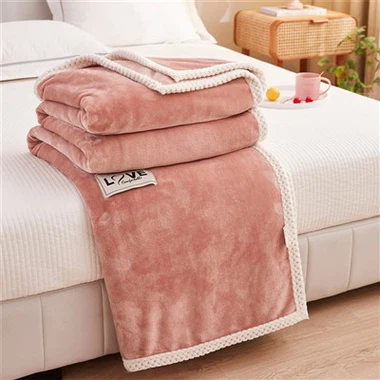
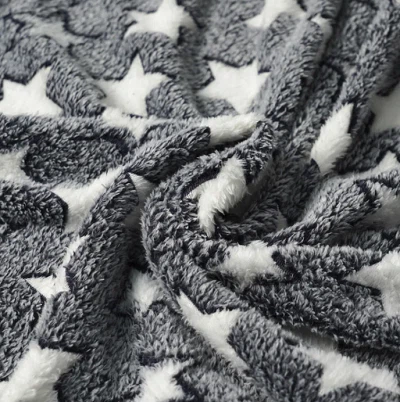
Flannel is a cotton, woolen, or semi-woolen fabric of plain or twill weave, with fluffy double-sided or single-sided uniform sparse fleece. Heat-saving, soft, pleasant to the touch material. Surface density 170 - 257 g/sq. m. In translation from French "flanelle" means wool - and this is not the only translation variant, from Old French "flaine" means "blanket".

In the matter of appearance, it is similar to jersey - its history began in the Channel Islands several centuries ago. England, or rather Wales - one of the most conservative regions of the British Empire XVII-XVIII centuries - is considered the birthplace of soft but dense and durable material - flannel. It was here that the local Welsh people first wove a heavy cloth from combed sheep's wool, which over the centuries was transformed into the modern flannel fabric.
Initially, it was not a cheap material. In addition, it was attributed to some therapeutic properties, which further increased the cost of the fabric. The effectiveness of flannel in the treatment of diseases, of course, is not proven. In the book about the adventures of Gulliver by the English writer Jonathan Swift, there is a description of the treatment of inflamed joints, which were first rubbed with brandy and then wrapped with soft flannel.
The Welsh, who possessed many secrets of cloth production, learned to produce multicolored fabrics from pure wool. No dyes or dyeing were used. Black, brown, and white yarn of natural color, obtained from the wool of sheep, was woven together in different ratios. To obtain wool of lighter colors, it was bleached with sulfur dioxide.
A significant contribution to the popularization of this fabric was made by Prince Edward VIII of Wales (Duke of Windsor), who wore flannel suits during his visit to the United States in 1924 and gave the green light to the fleecy wool as everyday clothing for the aristocracy.
In 1956 the movie "The Man in the Gray Flannel Suit" based on the best-selling novel of the same name by Sloan Wilson and starring Hollywood star Gregory Peck was released, which gave it a new round of popularity - this time as a corporate uniform and a synonym for a conscientious worker with high moral ideals. A great admirer of this woven fabric and its pants was the famous dancer and movie star Fred Astaire, for whom gray flannel pants became a kind of business card.