

What is the weight of a typical unisex baby blanket?
Aug 05, 2025
Hey there! As a supplier of Baby Blankets Unisex, I often get asked about the weight of a typical unisex baby blanket. It's a pretty important question, especially for new parents who want to make sure their little ones are comfortable and cozy. So, let's dive right in and explore this topic!
First off, it's crucial to understand that the weight of a baby blanket can vary depending on several factors. The material, size, and intended use all play a role in determining how heavy a blanket will be.
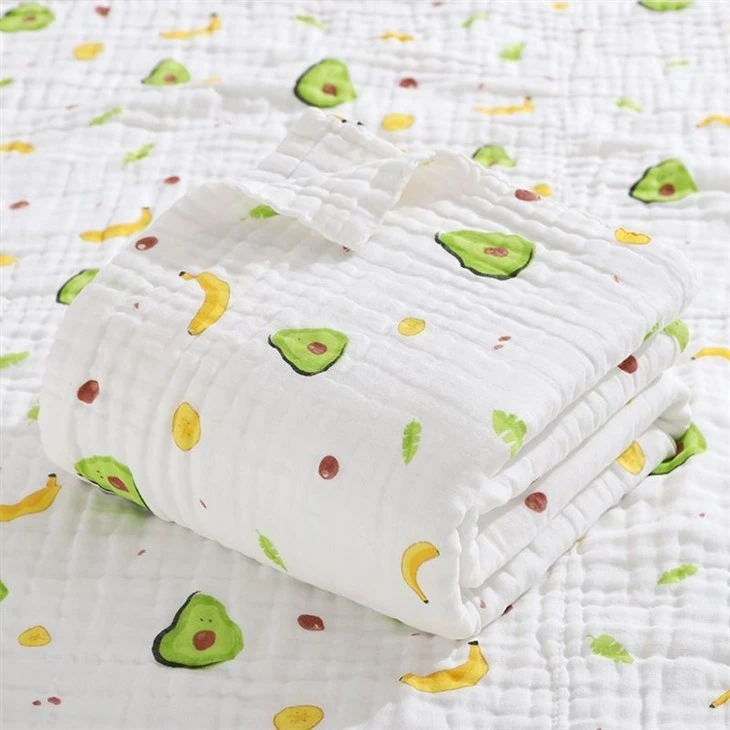

Factors Affecting the Weight
Material
The type of material used is probably the most significant factor. Different fabrics have different densities and weights. For example, cotton is a popular choice for baby blankets. It's soft, breathable, and relatively lightweight. A typical cotton unisex baby blanket might weigh anywhere from 8 to 12 ounces (about 227 to 340 grams). This makes it great for everyday use, whether it's for swaddling a newborn or using it as a play mat.
On the other hand, minky fabric is another common option. Minky is super soft and plush, giving it a luxurious feel. But it's also a bit heavier than cotton. A minky unisex baby blanket could weigh around 12 to 16 ounces (340 to 454 grams). The extra weight can provide a sense of warmth and security, which is perfect for colder days or for snuggling up at night.
Wool is a natural fiber that's known for its insulation properties. However, it's not as commonly used for baby blankets because it can be a bit scratchy. But if you do find a wool unisex baby blanket, it'll likely be on the heavier side, weighing between 16 to 20 ounces (454 to 567 grams).
Size
The size of the blanket also impacts its weight. A smaller receiving blanket, which is typically used for wrapping a newborn right after birth, will be lighter than a larger blanket that can be used as a crib blanket or a stroller cover. A standard receiving blanket might measure around 30 inches by 30 inches and weigh about 8 to 10 ounces (227 to 283 grams). In contrast, a larger crib blanket, say 45 inches by 60 inches, could weigh 16 ounces (454 grams) or more.
Intended Use
If a blanket is designed for a specific purpose, it might be heavier or lighter. For instance, a swaddle blanket needs to be light enough to allow for easy movement but still provide enough weight to keep the baby snug. A typical swaddle blanket might weigh around 8 to 10 ounces (227 to 283 grams). On the other hand, a security blanket that a baby can carry around might be lighter, perhaps 6 to 8 ounces (170 to 227 grams), so it's easy for the little one to hold.
Typical Weights of Different Types of Unisex Baby Blankets
Minky Dots Blankets For Newborn
Minky Dots Blankets For Newborn are a hit among new parents. These blankets are usually made of minky fabric, which gives them a soft and cuddly texture. As mentioned earlier, minky blankets are a bit heavier than cotton ones. A typical minky dots blanket for a newborn might weigh around 12 to 14 ounces (340 to 397 grams). This weight is perfect for keeping the baby warm without being too bulky.
Baby Receiving Blanket Solid Color
Baby Receiving Blanket Solid Color are often made of cotton. They're designed to be versatile and can be used for multiple purposes, such as wrapping the baby, burping, or as a changing mat. A solid - color cotton receiving blanket usually weighs about 8 to 10 ounces (227 to 283 grams). This light weight makes it easy to handle and carry around.
Digital Printed Milestone Blanket
Digital Printed Milestone Blanket are a great way to document a baby's growth. These blankets can be made of various materials, but cotton is a popular choice. The weight of a digital printed milestone blanket can vary depending on its size. A medium - sized one might weigh around 10 to 12 ounces (283 to 340 grams).
Why the Weight Matters
The weight of a baby blanket is not just a random number. It can have a significant impact on the baby's comfort and safety. A blanket that's too heavy can make the baby overheat, which is a risk factor for sudden infant death syndrome (SIDS). On the other hand, a blanket that's too light might not provide enough warmth, especially in colder environments.
Newborns have a harder time regulating their body temperature, so it's important to choose a blanket with an appropriate weight. A lightweight blanket is ideal for warmer months or for use in a well - heated room. In contrast, a heavier blanket can be used during the winter or in cooler climates.
How to Choose the Right Weight
When choosing a baby blanket, consider the climate and the room temperature. If you live in a warm area, a cotton receiving blanket might be all you need. But if it gets cold, a minky or wool blanket could be a better option.
Also, think about how the blanket will be used. If it's for swaddling, you'll want a blanket that's light enough to be wrapped easily but still provides some weight to keep the baby secure. For a crib blanket, a slightly heavier option can be more suitable to keep the baby warm throughout the night.
Contact Us for Your Baby Blanket Needs
If you're in the market for high - quality unisex baby blankets, we've got you covered. We offer a wide range of blankets in different materials, sizes, and weights to meet your needs. Whether you're looking for a soft minky dots blanket for your newborn or a digital printed milestone blanket to capture those precious moments, we have the perfect option for you.
If you're interested in purchasing our baby blankets or have any questions, feel free to reach out to us. We're always happy to help you find the right blanket for your little one. Let's start a conversation and get you the best baby blankets for your bundle of joy!
References
- American Academy of Pediatrics. "Safe Sleep for Your Baby."
- Textile Institute. "Properties of Different Fabrics."