

What is the ideal thickness of a baby blanket?
Jan 13, 2026
Hey there, fellow parents and caregivers! As a supplier of top - notch baby blankets, I've been getting a ton of questions about the ideal thickness of these cozy essentials. So, let's dive right in and explore this crucial topic.
First off, why does the thickness of a baby blanket matter? Well, it's all about keeping our little ones safe and comfortable. Babies can't regulate their body temperature as well as adults can. A blanket that's too thick might cause them to overheat, increasing the risk of sudden infant death syndrome (SIDS). On the other hand, a blanket that's too thin won't provide enough warmth, leaving them cold and fussy.
Types of Baby Blankets and Their Thickness
There's a wide variety of baby blankets out there, each with its own unique thickness.
1. Lightweight Muslin Blankets
Muslin blankets are super popular, and they're usually quite thin. They're made from a breathable cotton fabric. These blankets are perfect for warm weather or for using as a swaddle. The light thickness allows air to circulate, preventing your baby from getting too hot. They're also soft on your baby's delicate skin. You can use them for tummy time, as a nursing cover, or even to line a stroller. Check out our Skin Friendly Cotton Blanket which is not only skin - friendly but also has that ideal lightweight muslin feel.
2. Fleece Blankets
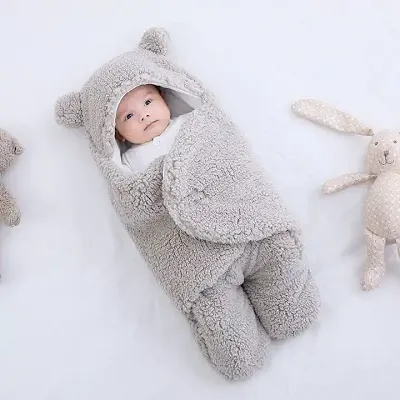
Fleece blankets are a step up in terms of thickness. They're made from synthetic materials that are great at trapping heat. Fleece is soft to the touch and doesn't itch. It's great for cooler nights or for use in an air - conditioned room. However, make sure to choose a high - quality fleece that won't shed fibers, as these could be a choking hazard. Our fleece blankets strike the perfect balance between warmth and comfort.

3. Knit Blankets
Knit blankets come in various thicknesses. Some are chunky and very warm, while others are more lightweight. The thickness of a knit blanket can depend on the type of yarn used and the knitting pattern. Chunky knit blankets are great for colder climates or during the winter months. They add a touch of coziness to your baby's crib. For a more year - round option, you can go for a lighter knit.
4. Minky Blankets
Minky blankets are known for their extreme softness. They're made from a plush, velvety fabric. The thickness can vary, but they're generally warm. Minky is great for snuggling. If you're looking for a specific type, our Fabric Printed Minky Fabric for Baby Blanket has a lovely print and the right thickness for a cozy baby experience.
Factors Affecting the Ideal Thickness
Determining the ideal thickness of a baby blanket isn't a one - size - fits - all situation. There are several factors to consider.
Climate
The climate where you live plays a huge role. If you're in a warm, tropical area, a thin muslin blanket is probably all you'll need. In colder regions, especially during winter, you'll want a thicker blanket like a chunky knit or a warm fleece. For example, if you're in a place where the temperature rarely drops below 70°F (21°C), a lightweight blanket will do. But if you're in a place with freezing winters, you need something much warmer.
Indoor Temperature
Even if you live in a warm climate, the indoor temperature can vary. If your home is air - conditioned or heated, you need to adjust the blanket thickness accordingly. If your house is kept at a cool 68°F (20°C), a medium - thickness blanket might be ideal. But if it's warmer inside, say around 72°F (22°C), a lighter blanket will be better.
Baby's Age
Newborns need extra care when it comes to blankets. They're more vulnerable to temperature changes. For newborns, a soft, thin swaddle blanket is often recommended. As babies grow older, they can tolerate different thicknesses. Older babies might be able to use a thicker blanket, but always keep an eye on them to make sure they're not too hot or cold.
Activity Level
If your baby is very active, they might generate more body heat. In this case, a thinner blanket could be better. On the other hand, if your baby is more sedentary, a slightly thicker blanket might be needed to keep them warm.
How to Choose the Right Thickness
Now that we know the different types of blankets and the factors that affect thickness, how do we choose the right one?
Touch and Feel
One of the easiest ways is to touch the blanket. If it feels too thick and heavy in your hands, it might be too much for your baby. A good rule of thumb is that the blanket should feel light and breathable. You can also hold it up to your face to see if it feels stuffy or if air can pass through easily.
Check the Label
Most baby blankets come with a label that gives information about the fabric and thickness. Look for labels that mention warmth ratings or the best temperature range for the blanket. This can give you a good idea of whether it's right for your baby.
Start with a Variety
It's a good idea to have a few different thicknesses of blankets on hand. That way, you can adjust depending on the temperature and your baby's needs. You might have a thin muslin blanket for summer, a medium - weight fleece for spring and fall, and a thick knit for winter.
Special Considerations: Sleeping Bags
Sleeping bags are a popular alternative to traditional blankets. They come in different tog ratings, which indicate their warmth. A low tog rating means a lighter sleeping bag, suitable for warmer weather. A higher tog rating is for colder conditions. Our Baby Sleeping Bag comes in a range of tog ratings, so you can choose the one that's right for your baby and the season.
Conclusion
Figuring out the ideal thickness of a baby blanket is all about finding the right balance between warmth and comfort. By considering factors like climate, indoor temperature, your baby's age, and activity level, you can make an informed decision. Remember, it's always better to start with a thinner blanket and add layers if needed.
If you're in the market for high - quality baby blankets of all thicknesses, we're here to help. We've got a wide range of options to suit every need. Whether you need a lightweight muslin for summer or a warm minky for winter, we've got you covered. Reach out to us to discuss your requirements and start a procurement process that'll keep your little ones cozy and safe.
References
- American Academy of Pediatrics. (2023). Safe Sleep for Babies.
- Mayo Clinic. (2023). Baby Sleep: Creating a Safe Sleep Environment.