

What is the difference between a thermal and a non - thermal baby blanket?
Dec 15, 2025
As a seasoned supplier of baby blankets, I've witnessed firsthand the diverse needs and preferences of parents when it comes to choosing the perfect blanket for their little ones. One of the most common questions I encounter is, "What is the difference between a thermal and a non-thermal baby blanket?" In this blog post, I'll delve into the intricacies of these two types of blankets, highlighting their unique features, benefits, and ideal usage scenarios.
Understanding Thermal Baby Blankets
Thermal baby blankets are specifically designed to provide exceptional warmth and insulation for infants. These blankets are crafted from materials that have excellent heat - retaining properties, ensuring that your baby stays cozy even in colder environments.
Materials
The most common materials used in thermal baby blankets include fleece, wool, and certain synthetic fibers. Fleece is a popular choice due to its softness, lightweight nature, and ability to trap body heat effectively. It is also machine - washable, making it convenient for busy parents. Wool, on the other hand, is a natural insulator. It can regulate body temperature by wicking away moisture and keeping the baby warm in cold weather and cool in slightly warmer conditions. Synthetic fibers like polyester blends are engineered to mimic the warmth - retaining properties of natural materials while often being more budget - friendly and easy to care for.
Benefits
- Optimal Warmth: Thermal blankets are ideal for winter months or in homes with lower indoor temperatures. They provide a consistent source of warmth, which is crucial for a baby's comfort and well - being as infants have a harder time regulating their body temperature compared to adults.
- Health Benefits: Maintaining a proper body temperature can help prevent colds and other temperature - related illnesses in babies. A warm baby is also more likely to sleep soundly, which is essential for their growth and development.
Ideal Usage
Thermal baby blankets are perfect for swaddling during sleep, especially at night when the temperature drops. They can also be used in strollers or car seats during outdoor outings in cold weather to keep the baby warm.
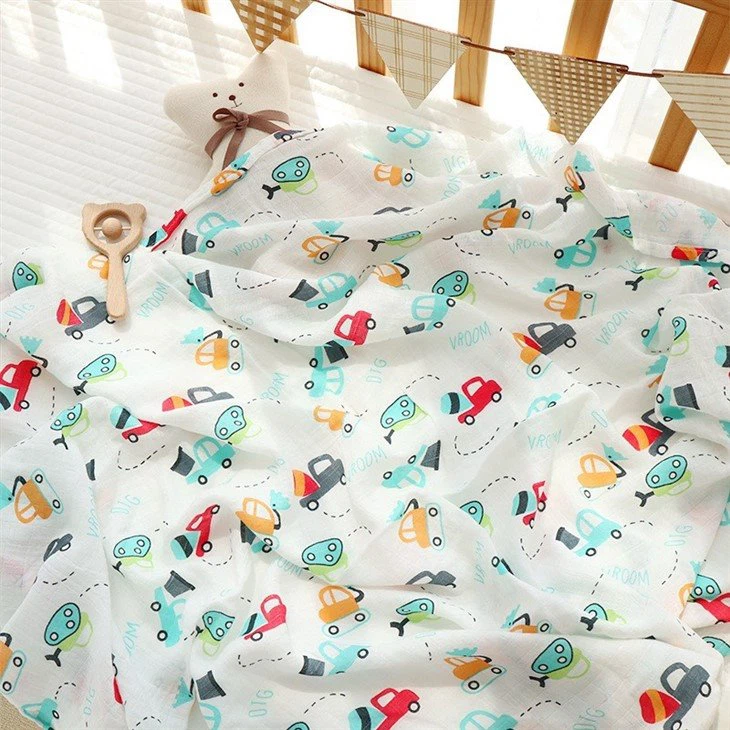

Exploring Non - Thermal Baby Blankets
Non - thermal baby blankets, as the name suggests, are not primarily designed for heat retention. Instead, they offer a range of other benefits that make them suitable for various situations.
Materials
Non - thermal blankets are made from a variety of materials such as cotton, muslin, and bamboo. Cotton is a classic choice, known for its breathability, softness, and hypoallergenic properties. Muslin is a lightweight, loosely woven fabric that is highly breathable and gentle on a baby's delicate skin. Bamboo fabric is also becoming increasingly popular due to its natural antibacterial and moisture - wicking properties.
Benefits
- Breathability: Non - thermal blankets are excellent for warmer climates or during the summer months. They allow air to circulate freely around the baby, preventing overheating and reducing the risk of Sudden Infant Death Syndrome (SIDS).
- Versatility: These blankets can be used for multiple purposes, including burping, nursing covers, play mats, and makeshift changing pads. Their lightweight nature makes them easy to carry around.
- Gentle on Skin: The soft and natural materials used in non - thermal blankets are less likely to cause skin irritations or allergic reactions, making them suitable for babies with sensitive skin.
Ideal Usage
Non - thermal blankets are great for daily use, especially during naps or playtime when the baby doesn't need extra warmth. They can also be used in well - heated rooms to provide a light layer of comfort.
Comparing Thermal and Non - Thermal Baby Blankets
- Temperature Regulation: Thermal blankets are designed to keep the baby warm, while non - thermal blankets focus on breathability and preventing overheating. This difference is crucial when considering the climate and the baby's environment.
- Material Feel: Thermal blankets, especially those made of fleece, tend to be thicker and have a plush feel, while non - thermal blankets like muslin are thinner and more lightweight.
- Usage Scenarios: Thermal blankets are more suitable for cold weather and nighttime use, while non - thermal blankets are better for warmer conditions and daytime activities.
Our Product Range
As a leading supplier of baby blankets, we offer a wide range of both thermal and non - thermal options to meet the diverse needs of parents.
- Printed Minky Blankets: Our Printed Minky Blankets are a type of thermal blanket. Made from soft minky fabric, they are incredibly warm and feature beautiful prints that are sure to delight both babies and parents.
- Mink Blanket Baby: The Mink Blanket Baby is another excellent thermal option. This two - pack offers great value for money and provides the warmth your baby needs.
- Elephant Security Blanket: Our Elephant Security Blanket is a non - thermal blanket made from soft, breathable materials. It is not only a comforting companion for your baby but also doubles as a cute playmate.
Why Choose Our Baby Blankets?
- Quality Assurance: We source the highest - quality materials and use strict manufacturing processes to ensure that our blankets meet the highest standards of safety and comfort.
- Variety: Our extensive product range means that you can find the perfect blanket for any season and occasion.
- Customer Satisfaction: We are committed to providing excellent customer service and ensuring that our customers are completely satisfied with their purchases.
Contact Us for Procurement
If you are interested in purchasing our baby blankets for your store or for personal use, we would love to hear from you. Whether you are a retailer looking to stock our products or a parent in search of the perfect blanket for your little one, we are here to assist you. Please reach out to us to discuss your requirements and start a procurement negotiation.
References
- American Academy of Pediatrics. "Safe Sleep for Your Baby."
- Textile Research Journal. "Properties and Performance of Different Baby Blanket Materials."