

What is the best material for a picnic blanket?
Nov 07, 2025
When planning a perfect picnic, one of the most crucial elements is the picnic blanket. It serves as the foundation for your outdoor dining experience, providing comfort, protection, and a touch of style. But with so many materials available in the market, how do you choose the best one for your needs? As a seasoned picnic blanket supplier, I've had the opportunity to work with a wide range of materials and understand their unique properties. In this blog post, I'll share my insights on the best materials for a picnic blanket, helping you make an informed decision for your next outdoor adventure.
Cotton: The Classic Choice
Cotton is perhaps the most traditional and widely used material for picnic blankets. It's soft, breathable, and comfortable to lie on, making it an excellent choice for a relaxing day in the park. Cotton blankets are also highly absorbent, which means they can quickly soak up any spills or moisture, keeping you dry and comfortable.
One of the main advantages of cotton is its versatility. It comes in a variety of colors, patterns, and textures, allowing you to choose a blanket that suits your personal style. Whether you prefer a classic checkered pattern or a vibrant floral design, there's a cotton picnic blanket out there for you.
However, cotton does have some drawbacks. It can be heavy when wet, and it may take a long time to dry. Additionally, cotton is not naturally water-resistant, so it may not be the best choice for picnics in wet or damp conditions. If you're planning a picnic in an area with a high risk of rain, you may want to consider a different material.
Polyester: The Durable Option
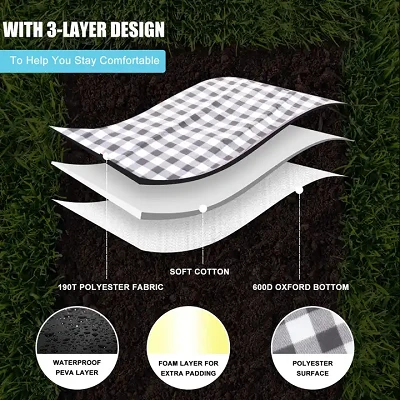
Polyester is a synthetic material that is known for its durability and resistance to wear and tear. It's lightweight, quick-drying, and easy to clean, making it a popular choice for outdoor activities. Polyester picnic blankets are also water-resistant, which means they can repel water and keep you dry in light rain or damp conditions.
Another advantage of polyester is its affordability. It's generally less expensive than other materials, such as cotton or wool, making it a great option for budget-conscious consumers. Polyester blankets also come in a wide range of colors and patterns, so you can find one that matches your style.
However, polyester is not as breathable as cotton, which means it may not be as comfortable to lie on for extended periods of time. It can also feel synthetic and less soft than natural materials. If you're sensitive to synthetic materials or prefer a more natural feel, you may want to consider a different option.
Wool: The Warm and Cozy Choice
Wool is a natural material that is known for its warmth, softness, and durability. It's a great choice for picnics in cooler weather, as it can provide insulation and keep you warm even in low temperatures. Wool blankets are also naturally water-resistant, which means they can repel water and keep you dry in light rain or damp conditions.
One of the main advantages of wool is its ability to regulate body temperature. It can keep you warm in cold weather and cool in hot weather, making it a versatile material for all seasons. Wool is also hypoallergenic, which means it's less likely to cause allergic reactions than other materials.
However, wool can be heavy and bulky, which may make it difficult to carry around. It's also more expensive than other materials, such as cotton or polyester, so it may not be the best option for budget-conscious consumers. Additionally, wool requires special care and maintenance, as it can shrink or become misshapen if not washed properly.
Nylon: The Lightweight and Compact Option
Nylon is a synthetic material that is known for its lightweight and compact design. It's a great choice for picnics on the go, as it can be easily folded and carried in a backpack or tote bag. Nylon picnic blankets are also water-resistant, which means they can repel water and keep you dry in light rain or damp conditions.
One of the main advantages of nylon is its durability. It's resistant to tears and abrasions, which means it can withstand rough handling and frequent use. Nylon is also quick-drying, which means it can dry quickly after being exposed to water.
However, nylon is not as breathable as cotton or wool, which means it may not be as comfortable to lie on for extended periods of time. It can also feel synthetic and less soft than natural materials. If you're sensitive to synthetic materials or prefer a more natural feel, you may want to consider a different option.
Fleece: The Soft and Comfortable Choice
Fleece is a synthetic material that is known for its softness, warmth, and comfort. It's a great choice for picnics in cooler weather, as it can provide insulation and keep you warm even in low temperatures. Fleece picnic blankets are also lightweight and easy to carry, making them a popular choice for outdoor activities.
One of the main advantages of fleece is its softness. It has a plush, velvety texture that feels great against the skin, making it a comfortable material to lie on. Fleece is also easy to clean, as it can be machine washed and dried.
However, fleece is not as durable as other materials, such as polyester or nylon. It can pill and wear out over time, especially if it's exposed to rough surfaces or frequent use. Additionally, fleece is not naturally water-resistant, so it may not be the best choice for picnics in wet or damp conditions.
Conclusion
Choosing the best material for a picnic blanket depends on your personal preferences, needs, and budget. Each material has its own unique properties and advantages, so it's important to consider these factors when making your decision.
If you're looking for a classic, comfortable, and versatile material, cotton is a great choice. If you need a durable, water-resistant, and affordable option, polyester is a good option. If you're planning a picnic in cooler weather and want a warm, cozy, and natural material, wool is the way to go. If you're looking for a lightweight, compact, and durable option, nylon is a great choice. And if you want a soft, comfortable, and easy-to-clean material, fleece is a good option.
At our company, we offer a wide range of picnic blankets made from different materials, including cotton, polyester, wool, nylon, and fleece. We also offer Custom Picnic Mat and Stand Proof Picnic Blanket options, allowing you to create a personalized picnic blanket that suits your style and needs. Whether you're planning a romantic picnic for two or a family outing in the park, we have the perfect picnic blanket for you.
If you're interested in learning more about our picnic blankets or would like to place an order, please don't hesitate to contact us. Our team of experts is always available to answer your questions and help you find the best picnic blanket for your needs. We look forward to working with you!
References
- "The Ultimate Guide to Picnic Blankets." OutdoorGearLab, 2023.
- "Picnic Blanket Materials: Which One is Right for You?" REI Co-op, 2023.
- "The Best Picnic Blankets for Every Occasion." Good Housekeeping, 2023.