

How to remove stains from unisex baby blankets?
May 15, 2025
Hey there! As a supplier of Baby Blankets Unisex, I've seen it all when it comes to those pesky stains on baby blankets. Babies are messy little creatures, and their blankets can quickly become a canvas for all sorts of spills and accidents. But don't worry! I'm here to share some tips and tricks on how to remove stains from unisex baby blankets.
Understanding the Types of Stains
Before you start treating a stain, it's important to know what kind of stain you're dealing with. Different stains require different treatment methods. Here are some common types of stains you might find on baby blankets:
Milk and Formula Stains
These are probably the most common stains on baby blankets. Milk and formula can leave a sticky residue that can attract dirt and bacteria. To remove milk and formula stains, start by blotting the stain with a clean, damp cloth to remove as much of the liquid as possible. Then, mix a small amount of mild detergent with warm water and gently rub the stain with a soft brush or cloth. Rinse the area thoroughly with clean water and let it air dry.
Food Stains
Babies love to explore new foods, and sometimes that exploration can end up on their blankets. Food stains can be tricky to remove, especially if they've been sitting for a while. For fresh food stains, try blotting the stain with a clean, damp cloth to remove as much of the food as possible. Then, apply a small amount of stain remover to the stain and let it sit for a few minutes. Gently rub the stain with a soft brush or cloth, and then rinse the area thoroughly with clean water. For older food stains, you may need to soak the blanket in a solution of warm water and stain remover for a few hours before washing it.
Diaper Rash Cream Stains
Diaper rash cream can leave a greasy stain on baby blankets. To remove diaper rash cream stains, start by scraping off as much of the cream as possible with a dull knife or spoon. Then, apply a small amount of dish soap to the stain and gently rub it with a soft brush or cloth. Rinse the area thoroughly with clean water and let it air dry. If the stain is still there, you may need to soak the blanket in a solution of warm water and dish soap for a few hours before washing it.
Blood Stains
Blood stains can be scary, but they're actually relatively easy to remove. Start by rinsing the stain under cold water as soon as possible to remove as much of the blood as possible. Then, apply a small amount of hydrogen peroxide to the stain and let it sit for a few minutes. The hydrogen peroxide will help to break down the blood and remove the stain. Gently rub the stain with a soft brush or cloth, and then rinse the area thoroughly with clean water. If the stain is still there, you may need to soak the blanket in a solution of cold water and salt for a few hours before washing it.
Choosing the Right Cleaning Method
Once you've identified the type of stain you're dealing with, it's time to choose the right cleaning method. Here are some general tips to keep in mind:
Read the Care Label
Before you start cleaning your baby blanket, make sure to read the care label. The care label will provide you with specific instructions on how to clean the blanket, including the recommended water temperature, detergent, and drying method. Following the care label instructions will help to ensure that your blanket stays in good condition and that the stain is removed effectively.

Test the Cleaning Solution
Before you apply any cleaning solution to the entire stain, it's a good idea to test it on a small, inconspicuous area of the blanket first. This will help to ensure that the cleaning solution doesn't damage the fabric or cause any discoloration. To test the cleaning solution, apply a small amount to the test area and let it sit for a few minutes. Then, blot the area with a clean, damp cloth and check for any signs of damage or discoloration. If the test area looks okay, you can proceed with cleaning the stain.
Use a Gentle Detergent
When cleaning baby blankets, it's important to use a gentle detergent that is free of harsh chemicals and fragrances. Harsh chemicals and fragrances can irritate your baby's skin and cause allergic reactions. Look for a detergent that is specifically formulated for baby clothes and blankets. You can also use a mild, natural detergent such as castile soap or baby shampoo.
Avoid Bleach
Bleach can be very harsh on baby blankets and can cause damage to the fabric and discoloration. Avoid using bleach to clean your baby blankets, especially if they are made of delicate fabrics such as fleece or minky. If you need to whiten your baby blankets, you can try using a natural whitening agent such as lemon juice or baking soda.
Wash the Blanket Separately
To prevent the spread of stains and bacteria, it's a good idea to wash your baby blankets separately from other clothes. This will also help to ensure that the blankets are thoroughly cleaned and that the stain is removed effectively. When washing the blankets, use a gentle cycle and cold water to avoid damaging the fabric.
Dry the Blanket Properly
After washing your baby blanket, it's important to dry it properly to prevent shrinkage and damage to the fabric. Avoid using a dryer on high heat, as this can cause the fabric to shrink and become damaged. Instead, let the blanket air dry or use a low heat setting on the dryer. If you're using a dryer, make sure to remove the blanket from the dryer as soon as it's dry to prevent over-drying.
Specific Cleaning Methods for Different Types of Baby Blankets
Different types of baby blankets require different cleaning methods. Here are some specific cleaning methods for some of the most common types of baby blankets:
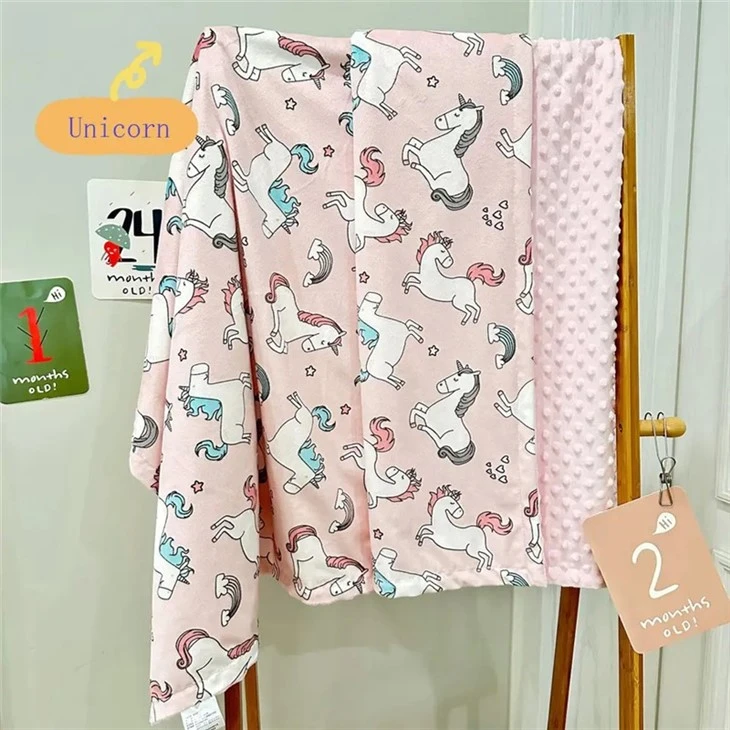
Fleece Blankets
Fleece blankets are soft, warm, and easy to care for. To clean a fleece blanket, start by shaking off any loose dirt or debris. Then, spot clean any stains with a mild detergent and warm water. Rinse the area thoroughly with clean water and let it air dry. If the entire blanket needs to be cleaned, you can machine wash it on a gentle cycle with cold water and a mild detergent. Avoid using fabric softener, as this can make the fleece less absorbent. After washing, let the blanket air dry or use a low heat setting on the dryer.
Minky Blankets
Minky blankets are made of a soft, plush fabric that is very popular for baby blankets. To clean a minky blanket, start by spot cleaning any stains with a mild detergent and warm water. Rinse the area thoroughly with clean water and let it air dry. If the entire blanket needs to be cleaned, you can machine wash it on a gentle cycle with cold water and a mild detergent. Avoid using fabric softener, as this can make the minky less soft and plush. After washing, let the blanket air dry or use a low heat setting on the dryer.
Cotton Blankets
Cotton blankets are breathable, comfortable, and easy to care for. To clean a cotton blanket, start by shaking off any loose dirt or debris. Then, spot clean any stains with a mild detergent and warm water. Rinse the area thoroughly with clean water and let it air dry. If the entire blanket needs to be cleaned, you can machine wash it on a gentle cycle with cold water and a mild detergent. You can also use fabric softener if you like. After washing, let the blanket air dry or use a low heat setting on the dryer.
Knit or Crochet Blankets
Knit or crochet blankets are often made of natural fibers such as wool or cotton. To clean a knit or crochet blanket, start by spot cleaning any stains with a mild detergent and warm water. Rinse the area thoroughly with clean water and let it air dry. If the entire blanket needs to be cleaned, you can hand wash it in a sink or bathtub with cold water and a mild detergent. Gently squeeze the water out of the blanket, but avoid wringing it. After washing, lay the blanket flat on a towel to dry. Do not hang the blanket to dry, as this can cause it to stretch and lose its shape.
Tips for Preventing Stains
Preventing stains is always better than having to remove them. Here are some tips for preventing stains on your baby blankets:
Use a Bib
Using a bib can help to prevent food stains from getting on your baby's blanket. Make sure to choose a bib that is absorbent and easy to clean.
Change Your Baby's Diaper Frequently
Changing your baby's diaper frequently can help to prevent diaper rash cream stains from getting on your baby's blanket. Make sure to clean your baby's bottom thoroughly after each diaper change.
Keep Your Baby's Blanket Clean
Regularly washing your baby's blanket can help to prevent stains from setting in. Make sure to follow the care label instructions when washing the blanket.
Store Your Baby's Blanket Properly
Storing your baby's blanket properly can help to prevent it from getting dirty or stained. Make sure to fold the blanket neatly and store it in a clean, dry place.
Conclusion
Removing stains from unisex baby blankets can be a challenge, but it's definitely doable. By understanding the types of stains you're dealing with, choosing the right cleaning method, and following some simple tips for preventing stains, you can keep your baby's blankets looking clean and fresh. If you have any questions or need more advice on how to remove stains from baby blankets, please don't hesitate to contact us. We're here to help!
We're a leading supplier of Baby Blankets Unisex, offering a wide range of high-quality blankets, including Double Layer Fleece Minky Dot Baby Blanket and Printed Minky Blankets. If you're interested in purchasing our products or have any questions about our offerings, feel free to reach out to us for a procurement discussion. We're looking forward to working with you!
References
- American Cleaning Institute. (n.d.). Stain Removal Guide. Retrieved from https://www.cleaninginstitute.org/resources/stain-removal-guide
- The Spruce. (n.d.). How to Clean Baby Blankets. Retrieved from https://www.thespruce.com/how-to-clean-baby-blankets-2145501
- BabyCenter. (n.d.). How to Get Stains Out of Baby Blankets. Retrieved from https://www.babycenter.com/0_how-to-get-stains-out-of-baby-blankets_10442042.bc