

How do I make my Polar Blanket softer?
Dec 18, 2025
As a supplier of Polar Blankets, I often receive inquiries from customers about how to make their Polar Blankets softer. In this blog post, I'll share some effective methods based on scientific knowledge and practical experience.
Understanding the Material of Polar Blankets
Before diving into the softening methods, it's essential to understand what Polar Blankets are made of. Most Polar Blankets are crafted from polyester fibers. Polyester is known for its durability, quick - drying properties, and resistance to wrinkles and shrinking. However, new polyester blankets can sometimes feel a bit stiff or less soft than we'd like. For instance, our 100% Polyester Polar Fleece Blanket is made of high - quality polyester, but it may benefit from some softening techniques.
Pre - Wash Treatment
The first step in making your Polar Blanket softer is a proper pre - wash. When a blanket is manufactured, it may have some residues from the production process, such as sizing agents or lubricants. These substances can make the blanket feel less soft.
- Choose the Right Detergent: Opt for a mild, fragrance - free detergent. Harsh detergents with strong chemicals can damage the polyester fibers and make the blanket less soft over time. A gentle detergent will clean the blanket effectively without stripping away its natural softness.
- Use Vinegar: Adding a half - cup of white vinegar to the wash cycle can be very beneficial. Vinegar helps to break down any remaining residues and acts as a natural fabric softener. It also neutralizes any alkaline substances in the detergent, leaving the blanket feeling softer.
- Wash in Cold Water: Cold water is gentler on the polyester fibers compared to hot water. Hot water can cause the fibers to shrink or become damaged, which may affect the softness of the blanket. Set your washing machine to a cold water cycle and a gentle agitation setting.
Fabric Softeners and Conditioners
Fabric softeners and conditioners can significantly enhance the softness of your Polar Blanket.
- Liquid Fabric Softeners: There are many fabric softeners available in the market specifically designed for synthetic fabrics like polyester. When using a liquid fabric softener, add it to the rinse cycle according to the manufacturer's instructions. The softener coats the polyester fibers, reducing friction between them and making the blanket feel smoother and softer.
- Dryer Balls: Dryer balls are a great alternative to traditional fabric softeners. Made of materials like wool or rubber, dryer balls work by bouncing around in the dryer, separating the blanket fibers and preventing them from clumping together. This action not only makes the blanket softer but also shortens the drying time. You can use 2 - 3 dryer balls for a single Polar Blanket.
Drying Process
The way you dry your Polar Blanket also plays a crucial role in its softness.
- Low - Heat Setting: When using a dryer, set it to a low - heat setting. High heat can damage the polyester fibers, causing them to become brittle and less soft. A low - heat setting allows the blanket to dry slowly and gently, maintaining its soft texture.
- Air Drying: If possible, air - drying your Polar Blanket is an excellent option. Hang the blanket on a clothesline or lay it flat on a drying rack. Air - drying is the gentlest method for the fibers and can result in a very soft blanket. However, make sure the blanket is in a well - ventilated area to prevent mold or mildew growth.
Regular Maintenance
To keep your Polar Blanket soft over time, regular maintenance is necessary.
- Frequent Washing: Wash your blanket regularly, but not too often. Over - washing can cause the fibers to wear out and lose their softness. Aim to wash the blanket every few weeks, depending on how often you use it.
- Avoid Overcrowding in the Washer and Dryer: When washing or drying the blanket, make sure there is enough space in the machine. Overcrowding can prevent the blanket from moving freely, leading to uneven cleaning and drying, which may affect its softness.
Special Considerations for Different Types of Polar Blankets
We offer a variety of Polar Blankets, such as the Polar Fleece Hoodie Blanket and polar wool bed blanket.
- Polar Fleece Hoodie Blanket: This type of blanket has a unique design with a hood. When washing it, turn the hood inside out to prevent any tangling or damage. Also, be careful when drying it to avoid shrinking the hood.
- Polar Wool Bed Blanket: Although it's called a "polar wool" blanket, it's usually made of polyester with a wool - like appearance. The same softening methods apply, but pay extra attention to the care instructions as it may have a more delicate texture.
Conclusion
Making your Polar Blanket softer is a combination of proper washing, using the right products, and careful drying. By following these steps, you can enjoy a soft, cozy Polar Blanket for a long time.

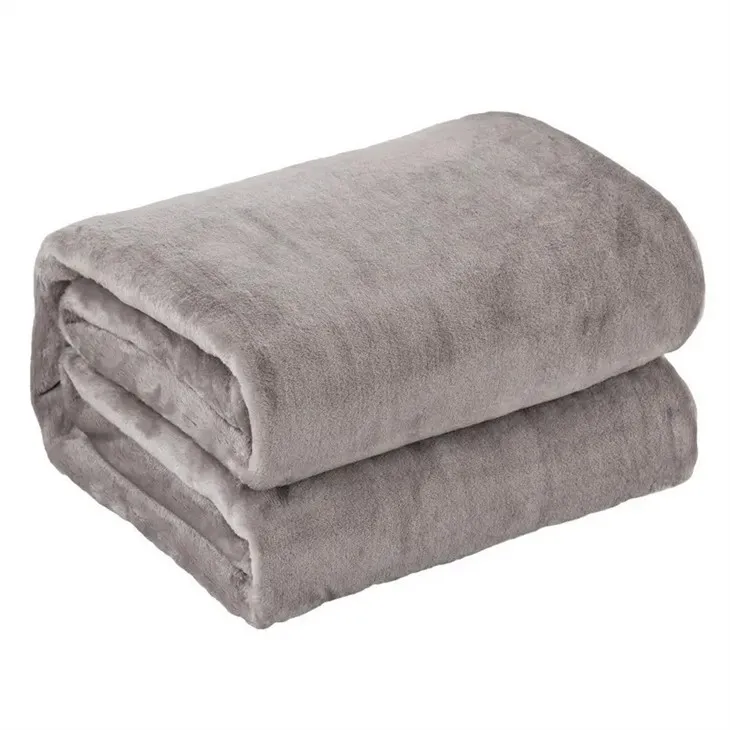
If you're interested in purchasing high - quality Polar Blankets or have any questions about our products, feel free to reach out for a procurement discussion. We're always ready to provide you with the best solutions and products.
References
- "Textile Science: Principles and Applications" by David J. Vaughn
- "The Complete Book of Fabric Care" by Mary Hunt