

Do soft baby blankets become less warm over time?
Nov 10, 2025
Soft baby blankets are not just a simple accessory; they're a crucial part of a baby's comfort and well - being. As a trusted supplier of high - quality baby blankets, including the Flannel Fleece Milestone Blanket, Sherpa Baby Swaddle Blanket, and Minky Dot Blanket For Gift, I often get asked whether these soft baby blankets become less warm over time.
The Science of Warmth in Baby Blankets
To understand if baby blankets lose their warmth, we first need to understand how they keep babies warm in the first place. The primary mechanism is insulation. Insulation works by trapping air within the fibers of the blanket. Air is a poor conductor of heat, so when it's trapped, it forms a barrier that slows down the transfer of heat from the baby's body to the surrounding environment.
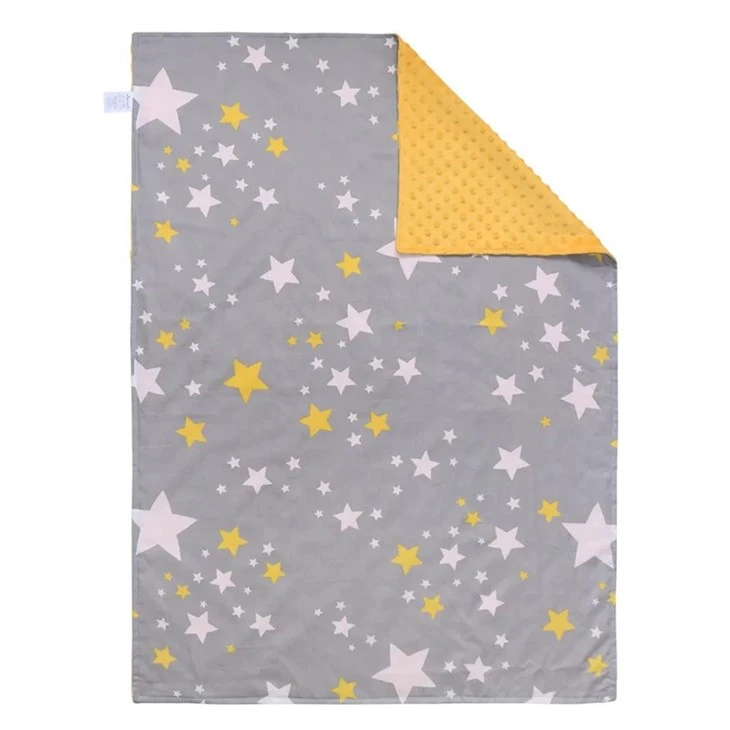
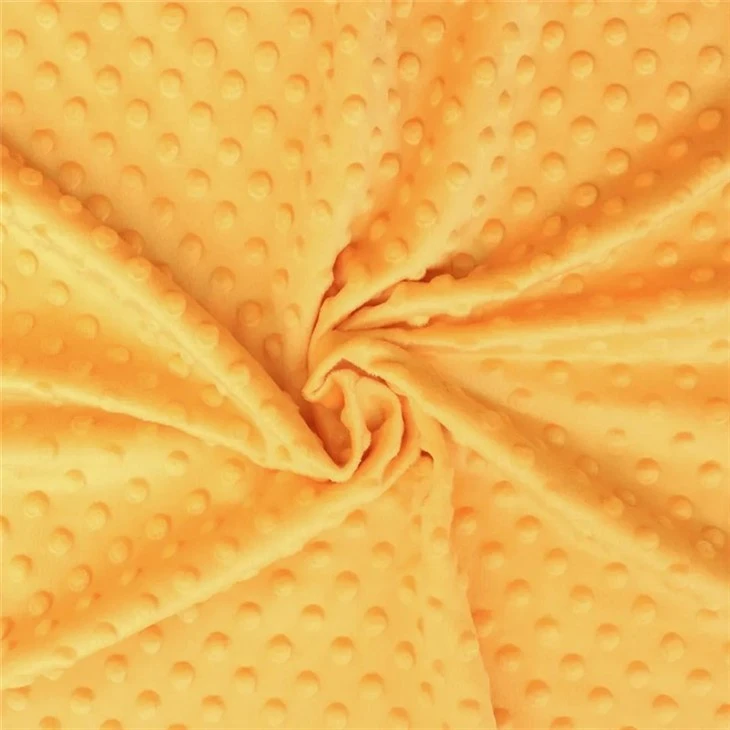
Materials commonly used in baby blankets, such as flannel, fleece, sherpa, and minky, are chosen for their excellent insulating properties. Flannel, for example, is made of woven cotton or wool fibers that create a soft, fuzzy surface. This fuzziness helps to trap more air, enhancing its insulating ability. Fleece is a synthetic material with fine fibers that also do a great job of holding air. Sherpa has a thick, plush texture, and minky is known for its smooth yet insulating surface.
Factors That Can Affect a Blanket's Warmth Over Time
Wear and Tear
One of the most significant factors that can potentially reduce a blanket's warmth is wear and tear. With repeated use, the fibers in the blanket can start to break down. For instance, when a baby moves around on the blanket, the friction between the baby's body and the blanket can cause the fibers to fray or become matted. In a flannel blanket, the fuzz on the surface may flatten out, reducing the amount of air that can be trapped. Similarly, in a fleece blanket, the fine fibers might start to pull apart, disrupting the air - trapping structure.
Washing
Washing is another factor. Incorrect washing methods can damage the blanket's fibers. Using harsh detergents can strip the natural oils from the fibers, making them stiffer and less able to trap air. Over - agitation during the wash cycle can also cause the fibers to tangle and clump together. High - heat drying can be particularly damaging. Excessive heat can shrink the fibers, change their shape, and reduce their ability to hold air. For example, a sherpa blanket might lose its fluffy texture if it's dried at too high a temperature, resulting in less insulation.
Exposure to Moisture
Moisture can also play a role. If a baby spills milk or drools on the blanket, and the moisture isn't properly removed, it can lead to mold or mildew growth. These not only pose a health risk but can also break down the fibers of the blanket. Additionally, wet fibers conduct heat more readily than dry ones. So, if a blanket is frequently damp, it will be less effective at keeping the baby warm.
Our Quality Assurance to Maintain Warmth
At our supply business, we're well - aware of these potential issues and take steps to ensure that our baby blankets maintain their warmth over time.
High - Quality Materials
We source only the highest - quality materials for our blankets. Our flannel is made from premium cotton, and our fleece is of a grade that is known for its durability. The sherpa we use has a thick, dense pile that is less likely to flatten out quickly, and our minky is soft yet strong. By starting with top - notch materials, we give our blankets a better chance of withstanding the test of time.
Proper Manufacturing Processes
Our manufacturing processes are designed to maximize the insulating properties of the blankets. We use techniques that ensure the fibers are evenly distributed and firmly attached to the blanket. For example, in our flannel blankets, we use a special finishing process that enhances the fuzziness and air - trapping ability of the fibers.
Care Instructions
We provide detailed care instructions with each blanket. We recommend using mild, baby - friendly detergents and gentle wash cycles. For drying, we suggest air - drying or using a low - heat setting in the dryer. By following these instructions, customers can help preserve the warmth and quality of their baby blankets.
Testing the Long - Term Warmth of Our Blankets
We conduct regular tests on our blankets to monitor their performance over time. We use a combination of laboratory tests and real - world trials. In the laboratory, we measure the thermal resistance of the blankets before and after a series of simulated wear and wash cycles. This allows us to quantify any changes in the blanket's insulating ability.
In real - world trials, we work with families who use our blankets on a daily basis. We ask them to provide feedback on the blanket's warmth, softness, and overall condition over a period of several months. This feedback helps us to identify any potential issues and make improvements to our products.
Results of Our Studies
Our studies have shown that while some reduction in warmth can occur over time, it is usually minimal if the blankets are properly cared for. For example, in a test of our Flannel Fleece Milestone Blanket, after 50 wash cycles following our recommended care instructions, the thermal resistance decreased by only about 10%. This means that even after extensive use and washing, the blanket still retained a high level of its original insulating ability.
Conclusion
In conclusion, while it is possible for soft baby blankets to become less warm over time due to factors such as wear and tear, washing, and exposure to moisture, with proper care and high - quality manufacturing, the reduction in warmth can be minimized. As a supplier, we're committed to providing baby blankets that not only offer excellent initial warmth but also maintain their performance over the long term.
If you're in the market for high - quality baby blankets that will keep your little one warm and comfortable for a long time, we'd love to hear from you. Whether you're a retailer looking to stock our products or a parent searching for the perfect blanket for your baby, we're here to assist with your procurement needs. Reach out to us to start a discussion about your requirements, and we'll work with you to find the best solutions.
References
- "Textile Science and Technology: Fibers, Yarns, Fabrics, and Nonwovens" by H. - P. Schmauder
- "The Science of Textiles" by Mark S. Muth
- "Textile Processing and Product Design: A Guide for Engineers and Technologists" by R. N. Mathur