

Do Sherpa Throw Blankets have a lot of lint?
Jun 03, 2025
Sherpa throw blankets have gained immense popularity in recent years, not only for their luxurious softness but also for their ability to add a touch of warmth and comfort to any living space. As a supplier of these cozy blankets, I often receive questions from customers regarding various aspects of Sherpa throw blankets, one of the most common being, "Do Sherpa throw blankets have a lot of lint?" In this blog post, I will delve into this topic, providing a comprehensive analysis based on scientific knowledge and real - world experience.
Understanding Sherpa Throw Blankets
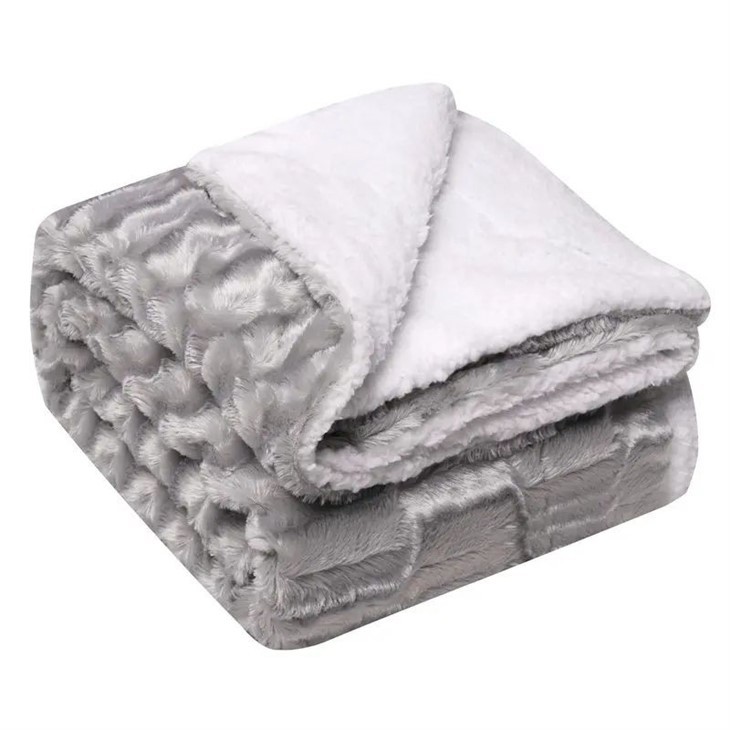
Sherpa throw blankets are typically made with a soft, plush material on one side, which mimics the texture of a sheep's wool, and a smooth backing. The plush side is what gives Sherpa blankets their signature look and feel, making them incredibly appealing for snuggling up on the couch or adding an extra layer of warmth to the bed. These blankets come in a wide variety of colors, patterns, and sizes, catering to different aesthetic preferences and functional needs. For instance, we offer products like the Pineapple Check Jacquard Sherpa Blanket, Throw Flannel Sherpa Fleece Blanket, and Grey Sherpa Blanket, each with its own unique charm.
The Lint Issue: What Causes It?
Lint is essentially small fibers that break away from the fabric. In the case of Sherpa throw blankets, there are several factors that can contribute to the presence of lint.
Material Composition
The materials used to make Sherpa blankets play a significant role in lint production. Many Sherpa blankets are made from synthetic fibers such as polyester or a blend of polyester and other materials. Synthetic fibers can sometimes be more prone to shedding lint, especially during the initial use and washing cycles. This is because the manufacturing process may leave some loose fibers on the surface of the fabric, which can easily break off.
Manufacturing Process
The quality of the manufacturing process also affects lint production. If the fabric is not properly finished or treated during production, there may be a higher number of loose fibers. For example, if the cutting and sewing processes are not precise, it can cause the edges of the fabric to fray, leading to more lint. Additionally, the way the fibers are woven or knitted together can impact their stability. A looser weave or knit may result in more fibers being able to break free and form lint.
Usage and Maintenance
How the Sherpa throw blanket is used and maintained can also influence lint production. Frequent rubbing, pulling, or washing can cause the fibers to loosen and shed. For example, if the blanket is used on a rough surface or is washed with abrasive materials, it can increase the likelihood of lint formation. Moreover, improper washing techniques, such as using a high - speed spin cycle or harsh detergents, can damage the fibers and lead to more lint.
Assessing the Lint Level of Sherpa Throw Blankets
It is important to note that not all Sherpa throw blankets have a significant amount of lint. High - quality Sherpa blankets that are made from well - processed materials and with a good manufacturing process can have minimal lint issues.

Quality of Materials
When we source materials for our Sherpa throw blankets, we pay close attention to the quality. We select fibers that are less likely to shed and have been pre - treated to reduce lint production. For example, some of our blankets are made from premium polyester blends that have been specially engineered to be more stable and less prone to shedding.
Post - manufacturing Treatments
After the blankets are manufactured, we apply additional treatments to minimize lint. These treatments can include brushing the fabric to remove loose fibers, applying anti - static agents, and using heat - setting processes to stabilize the fibers. These steps help to ensure that the blankets we offer have a low lint level.
Scientific Studies on Lint and Fabric
Although there is limited specific research on Sherpa throw blankets, there have been numerous studies on fabric lint in general. These studies have shown that the shedding of lint is related to the mechanical properties of the fibers, such as their strength, elasticity, and surface friction. For example, fibers with higher strength and lower surface friction are less likely to break away from the fabric.
Fiber Strength
The strength of the fibers in a Sherpa blanket determines how easily they can withstand the forces applied during use and washing. Stronger fibers are less likely to break, reducing the amount of lint. In our blankets, we use fibers that have been tested for their strength to ensure that they can maintain their integrity over time.
Surface Friction
Surface friction between the fibers and other objects can also cause lint shedding. If the surface of the fibers is too rough, it can increase the friction and lead to more fibers being pulled away. We select fibers with a smooth surface to minimize this effect.
Practical Tips to Reduce Lint
If you are concerned about lint from your Sherpa throw blanket, here are some practical tips that you can follow:
Pre - washing
Before using a new Sherpa throw blanket, it is a good idea to wash it separately in cold water with a mild detergent. This will help to remove any loose fibers that may be present on the surface of the fabric. Use a gentle cycle and a low - speed spin to avoid damaging the fibers.
Regular Maintenance
During regular use, try to avoid rubbing the blanket against rough surfaces. When washing, turn the blanket inside out to reduce friction between the plush side and other items in the washing machine. Also, use a fabric softener that is suitable for synthetic fibers, as this can help to reduce static and make the fibers more flexible, which in turn can reduce lint shedding.
Conclusion
In conclusion, while Sherpa throw blankets can potentially have lint issues, it is not a universal problem. The amount of lint largely depends on the quality of the materials, the manufacturing process, and how the blanket is used and maintained. As a supplier, we are committed to providing high - quality Sherpa throw blankets that have minimal lint. Our products, such as the Pineapple Check Jacquard Sherpa Blanket, Throw Flannel Sherpa Fleece Blanket, and Grey Sherpa Blanket, are carefully crafted to ensure a low lint level and maximum comfort.
If you are interested in purchasing Sherpa throw blankets for your home, business, or as a gift, we would be delighted to discuss your requirements. We offer a wide range of options in terms of design, size, and color. Contact us to start a conversation about your procurement needs, and let us help you find the perfect Sherpa throw blankets for you.
References
- Textile Research Journal, various issues on fabric fiber properties and lint shedding.
- Journal of Applied Polymer Science, studies on synthetic fiber stability and lint production.