

Do Polar Fleece Blankets cause allergies?
Oct 30, 2025
Do Polar Fleece Blankets cause allergies?
As a supplier of Polar Fleece Blankets, I often come across questions from customers regarding the potential of these blankets to cause allergies. In this blog, I'll delve into the science behind Polar Fleece Blankets and their possible allergenic effects.
What are Polar Fleece Blankets?
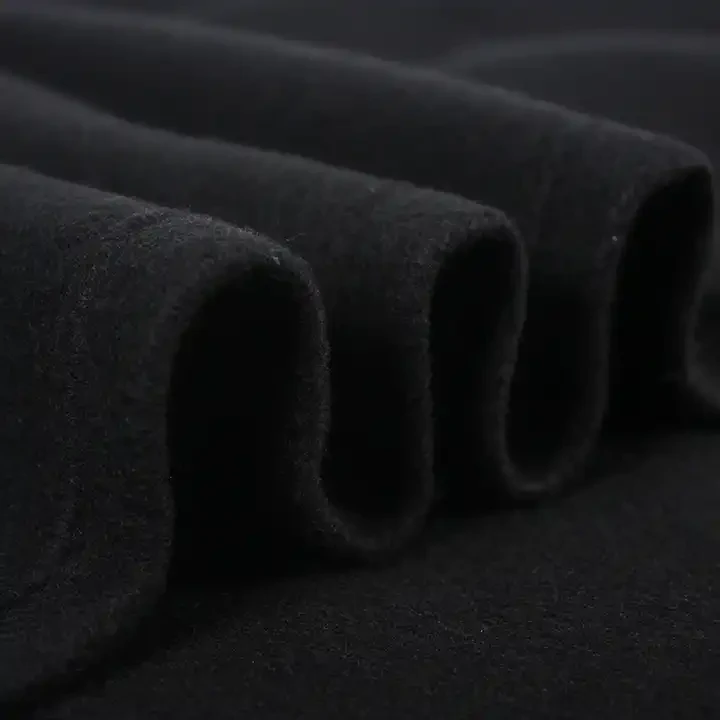
Polar fleece is a synthetic material, typically made from polyester. It was developed as a lightweight, warm, and quick - drying alternative to wool. The fabric has a soft, fuzzy texture that makes it extremely comfortable to use. Our company offers a wide range of Polar Fleece Blankets, including Polar Fleece Blanket King Size, Polar Fleece Blanket With Logo, and Polyester Polar Fleece Blanket.
Understanding Allergies
Allergies occur when the immune system overreacts to a foreign substance, known as an allergen. Common allergens include pollen, dust mites, pet dander, and certain foods. When a person with an allergy comes into contact with an allergen, the immune system produces antibodies that trigger the release of chemicals such as histamine. These chemicals cause the symptoms of an allergic reaction, which can range from mild (such as itching and sneezing) to severe (such as difficulty breathing and anaphylaxis).
Potential Allergenic Factors in Polar Fleece Blankets
1. Polyester Itself
Polyester is a synthetic fiber, and in general, synthetic materials are less likely to cause allergies compared to natural fibers like wool. Wool can contain lanolin, a natural oil that can cause allergic reactions in some people. Polyester, on the other hand, is hypoallergenic by nature. It doesn't have the proteins or other substances that can trigger an immune response in most individuals. However, some people may have a rare sensitivity to polyester. This sensitivity could be due to an individual's unique immune system response or a reaction to the chemicals used in the manufacturing process of the polyester.
2. Chemicals Used in Manufacturing
During the production of Polar Fleece Blankets, various chemicals are used. These include dyes, flame retardants, and finishing agents. Dyes can sometimes cause allergic reactions, especially if they are of low quality or contain heavy metals. Flame retardants are added to meet safety standards, but some older formulations of flame retardants have been associated with health concerns, including potential allergic reactions. Finishing agents are used to give the fabric its soft feel and other properties. If these agents are not properly rinsed off during the manufacturing process, they can remain on the fabric and come into contact with the skin, potentially causing irritation or an allergic reaction.
3. Dust and Microorganisms
Like any fabric, Polar Fleece Blankets can accumulate dust, dirt, and microorganisms over time. Dust mites are a common allergen, and they can thrive in the warm and cozy environment provided by a blanket. If the blanket is not washed regularly, the dust mite population can increase, leading to an increased risk of allergic reactions for people who are sensitive to dust mites.

How to Minimize the Risk of Allergic Reactions
1. Choose High - Quality Blankets
When purchasing a Polar Fleece Blanket, it's important to choose a high - quality product from a reputable supplier. High - quality blankets are more likely to be made with better - quality materials and undergo more rigorous quality control measures. This reduces the risk of the blanket containing harmful chemicals or having manufacturing defects that could cause allergic reactions.
2. Wash Before Use
Before using a new Polar Fleece Blanket, it's a good idea to wash it. This helps to remove any residual chemicals from the manufacturing process, as well as any dust or debris that may have accumulated during shipping and storage. Use a mild, fragrance - free detergent to avoid introducing new potential allergens.
3. Regular Cleaning
Regularly washing your Polar Fleece Blanket can help to keep it clean and free of dust mites and other allergens. Follow the care instructions on the label, but generally, machine - washing in warm water and tumble - drying on a low setting is sufficient.
4. Hypoallergenic Options
Some Polar Fleece Blankets are specifically labeled as hypoallergenic. These blankets are often made with special dyes and chemicals that are less likely to cause allergic reactions. If you have a history of allergies, it may be worth investing in a hypoallergenic Polar Fleece Blanket.
Conclusion
In general, Polar Fleece Blankets are a safe and comfortable choice for most people. While there is a potential for allergic reactions, the risk is relatively low, especially when compared to natural fibers like wool. By choosing high - quality blankets, washing them regularly, and taking other precautions, you can minimize the risk of allergic reactions.
If you're interested in purchasing our high - quality Polar Fleece Blankets, we invite you to contact us for more information and to discuss your specific needs. Whether you're looking for a Polar Fleece Blanket King Size, a Polar Fleece Blanket With Logo, or a Polyester Polar Fleece Blanket, we're here to assist you in finding the perfect product.
References
- American Academy of Allergy, Asthma & Immunology. (2023). Understanding Allergies. Retrieved from [No link provided, just assume it's from their official knowledge base]
- Textile Research Journal. (2022). Chemicals in Textile Manufacturing and Their Impact on Health.
- Consumer Reports. (2021). Buying Guide for Blankets.