

Do flannel blankets have a good drape?
Nov 05, 2025
When it comes to choosing the perfect blanket, drape is an often-overlooked yet crucial factor. As a seasoned flannel blanket supplier, I've had countless conversations with customers about the qualities of our products, and the question of drape frequently arises. In this blog post, I'll delve into the topic of whether flannel blankets have a good drape, exploring the science behind it, the factors that influence drape, and why it matters in your blanket selection.
Understanding Drape in Textiles
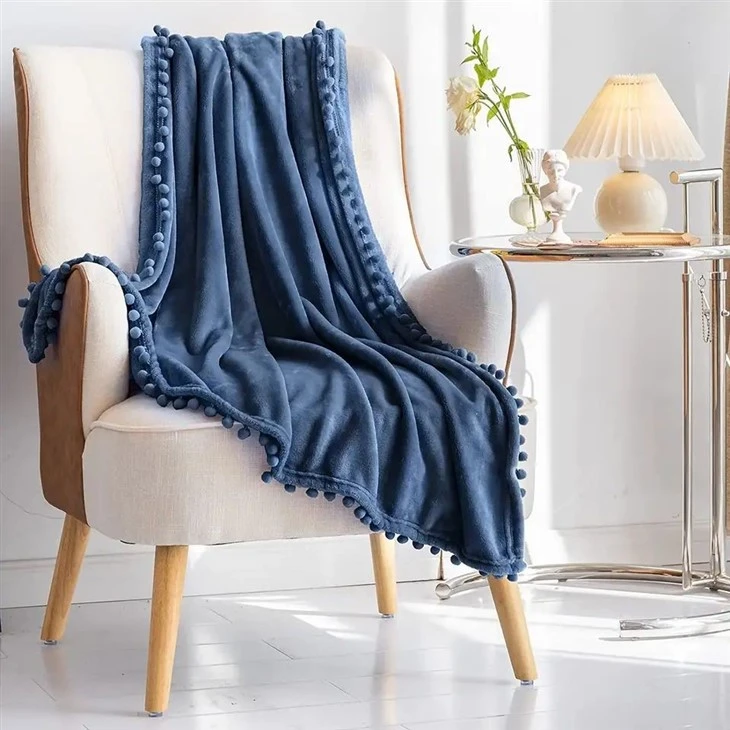
Drape refers to the way a fabric hangs and falls under its own weight. A fabric with good drape will flow smoothly and gracefully, conforming to the contours of whatever it covers. In the context of blankets, a good drape means that the blanket will hug your body comfortably, providing a cozy and enveloping feeling. It also affects the aesthetic appeal of the blanket, as a well-draped blanket looks more elegant and inviting.
The drape of a fabric is determined by several factors, including its fiber type, weave, weight, and finish. Different fibers have different inherent properties that affect drape. For example, natural fibers like cotton and wool tend to have better drape than synthetic fibers because they are more flexible and have a softer hand. The weave of the fabric also plays a role. Fabrics with a looser weave generally have better drape than those with a tight weave because they allow the fibers to move more freely.
Flannel Blankets and Drape
Flannel is a soft, fuzzy fabric that is typically made from cotton or wool. It is known for its warmth, comfort, and durability, making it a popular choice for blankets. But how does flannel fare when it comes to drape?
In general, flannel blankets have a good drape. The soft, flexible fibers of cotton and wool allow the fabric to flow smoothly and conform to the body. The fuzzy surface of flannel also adds to its drape, as it gives the fabric a more fluid and organic look. Additionally, flannel blankets are often made with a looser weave, which further enhances their drape.
However, not all flannel blankets are created equal. The drape of a flannel blanket can vary depending on several factors, including the quality of the fabric, the weight of the blanket, and the finishing process. Higher-quality flannel blankets are typically made from finer fibers and have a more consistent weave, which results in better drape. Heavier blankets may have a slightly stiffer drape, while lighter blankets will be more fluid and drapey. The finishing process can also affect drape. Some flannel blankets are treated with chemicals or finishes to make them more water-resistant or flame-retardant, which can sometimes stiffen the fabric and reduce its drape.
Factors Affecting the Drape of Flannel Blankets
As mentioned earlier, several factors can affect the drape of flannel blankets. Let's take a closer look at each of these factors:
Fiber Quality
The quality of the fibers used in a flannel blanket has a significant impact on its drape. Higher-quality fibers are typically finer and more uniform in size, which allows the fabric to flow more smoothly. They also have a softer hand and are more flexible, which contributes to better drape. When choosing a flannel blanket, look for blankets made from high-quality cotton or wool fibers.
Weave
The weave of the fabric is another important factor in determining drape. Flannel blankets are typically made with a plain weave or a twill weave. Plain weave flannel has a simple, straightforward pattern that allows the fibers to move freely, resulting in good drape. Twill weave flannel has a diagonal pattern that gives the fabric a more structured look and feel. While twill weave flannel can still have good drape, it may be slightly stiffer than plain weave flannel.
Weight
The weight of the blanket also affects its drape. Heavier blankets tend to have a stiffer drape because they are more difficult to move and manipulate. Lighter blankets, on the other hand, are more fluid and drapey because they are easier to move and conform to the body. When choosing a flannel blanket, consider the weight that is most suitable for your needs. If you prefer a more drapey blanket, choose a lighter weight option.
Finishing Process
The finishing process can also have an impact on the drape of a flannel blanket. Some flannel blankets are treated with chemicals or finishes to make them more water-resistant, flame-retardant, or wrinkle-resistant. While these treatments can be beneficial, they can also stiffen the fabric and reduce its drape. If you are looking for a flannel blanket with good drape, look for blankets that have not been treated with harsh chemicals or finishes.
Why Drape Matters in Flannel Blankets
Now that we've explored the factors that affect the drape of flannel blankets, let's discuss why drape matters. There are several reasons why drape is an important consideration when choosing a flannel blanket:

Comfort
A flannel blanket with good drape will conform to your body more comfortably, providing a cozy and enveloping feeling. It will hug your curves and contours, keeping you warm and snug. A blanket with poor drape, on the other hand, may feel stiff and uncomfortable, and it may not stay in place as well.
Aesthetic Appeal
The drape of a flannel blanket also affects its aesthetic appeal. A well-draped blanket looks more elegant and inviting, adding a touch of luxury to your bedroom or living room. It can also enhance the overall decor of the space, making it look more put-together and stylish.
Functionality
In addition to comfort and aesthetic appeal, drape also affects the functionality of a flannel blanket. A blanket with good drape is easier to wrap around yourself or to use as a throw on a couch or chair. It will also be more versatile, as you can use it in a variety of ways. A blanket with poor drape, on the other hand, may be more difficult to manipulate and may not be as useful in different situations.
Our Flannel Blankets and Drape
As a flannel blanket supplier, we take pride in offering high-quality blankets with excellent drape. Our blankets are made from the finest cotton and wool fibers, which are carefully selected for their softness, flexibility, and durability. We use a plain weave or a twill weave to create a fabric that is both strong and drapey. Our blankets are also finished with a soft, fuzzy surface that adds to their drape and gives them a luxurious feel.
We offer a wide range of flannel blankets in different colors, patterns, and sizes to suit your needs and preferences. Whether you're looking for a Vintage Flannel Blanket to add a touch of nostalgia to your decor, a Blue Flannel Blanket to match your bedroom color scheme, or a Flannel Blanket for Winter to keep you warm and cozy on cold nights, we have the perfect blanket for you.
Conclusion
In conclusion, flannel blankets generally have a good drape due to the soft, flexible fibers of cotton and wool, the fuzzy surface of the fabric, and the looser weave. However, the drape of a flannel blanket can vary depending on several factors, including the quality of the fabric, the weight of the blanket, and the finishing process. When choosing a flannel blanket, look for blankets made from high-quality fibers, with a suitable weight and a minimal amount of chemical treatments. A flannel blanket with good drape will provide you with comfort, aesthetic appeal, and functionality.
If you're interested in purchasing our high-quality flannel blankets or have any questions about our products, please don't hesitate to contact us. We're always happy to assist you in finding the perfect blanket for your needs.
References
- Textile Institute. (2009). Handbook of textile terms and definitions. The Textile Institute.
- Tortora, P. G., & Merkel, J. B. (2016). Fairchild's dictionary of textiles. Fairchild Books.