

Do Blanket Polars static - cling?
Dec 16, 2025
Do Blanket Polars static-cling?
As a supplier of Blanket Polars, I've received numerous inquiries from customers about the static - cling phenomenon of our products. Static cling is a common concern, especially in dry environments, and it can affect the user experience of blankets. In this blog post, I'll delve into the science behind static electricity and whether Blanket Polars are prone to static - cling.
The Science of Static Electricity
Static electricity is the result of an imbalance of electric charges within or on the surface of a material. When two different materials come into contact and then separate, electrons can be transferred from one material to the other. This transfer creates an imbalance of charges: one material becomes positively charged (losing electrons), and the other becomes negatively charged (gaining electrons).
The key factors that contribute to the generation of static electricity include the type of materials involved, the relative humidity of the environment, and the amount of friction between the materials. For example, materials like wool, polyester, and nylon are more likely to generate static electricity compared to natural fibers such as cotton.
Blanket Polars and Static - Cling
Blanket Polars are often made from polar fleece, a synthetic fabric typically composed of polyester. Polyester is a hydrophobic material, which means it repels water. In dry environments with low humidity, the lack of moisture in the air allows static charges to build up more easily on the surface of polyester fabrics, increasing the likelihood of static - cling.
However, not all Blanket Polars will experience significant static - cling. The degree of static - cling can vary depending on several factors:
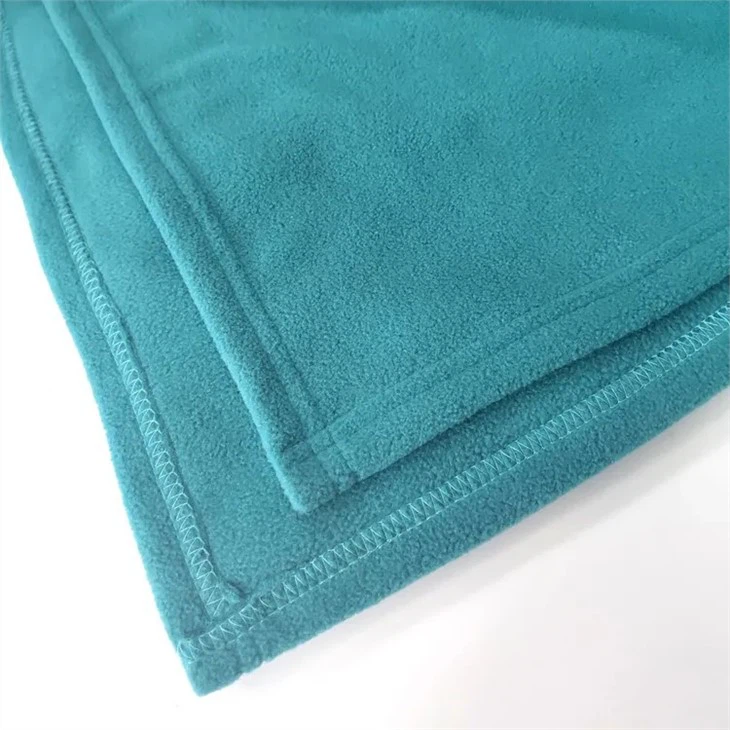
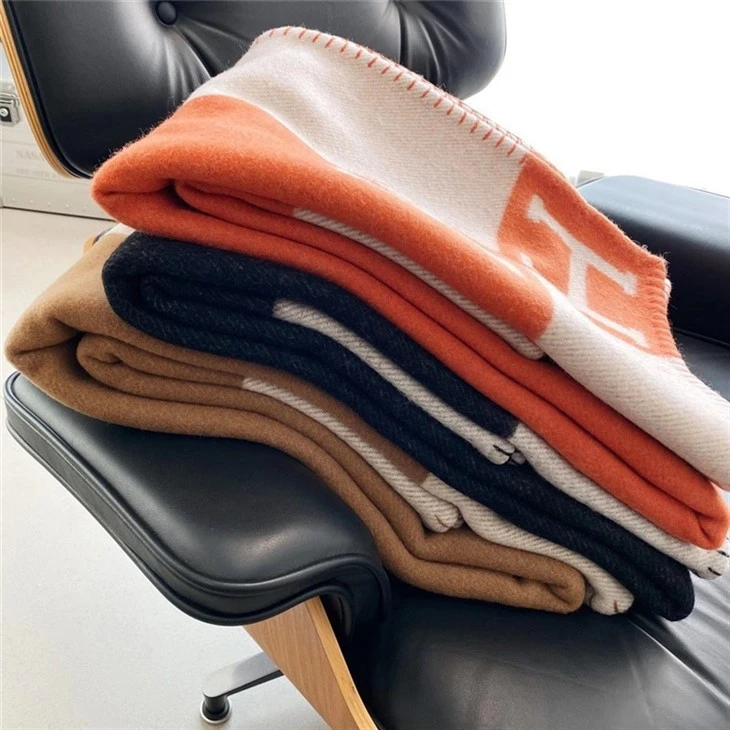
- Quality of the Fabric: Higher - quality polar fleece may be treated with anti - static agents during the manufacturing process. These agents help to reduce the build - up of static charges on the fabric surface. As a supplier, we are constantly working on sourcing high - quality materials and ensuring that our manufacturing partners use the latest techniques to minimize static - cling in our products.
- Environmental Conditions: As mentioned earlier, static electricity is more likely to occur in dry environments. In regions with low humidity, such as arid deserts or heated indoor spaces during the winter, Blanket Polars may be more prone to static - cling. On the other hand, in humid environments, the moisture in the air can help to dissipate static charges, reducing the likelihood of static - cling.
- Usage Habits: How the blanket is used can also affect static - cling. For example, frequent rubbing or friction against other materials, such as bedding or clothing, can increase the build - up of static charges. Additionally, if the blanket is washed and dried with other synthetic materials, it may be more likely to develop static - cling.
How to Reduce Static - Cling in Blanket Polars
If you're experiencing static - cling with your Blanket Polar, there are several steps you can take to reduce it:
- Use a Humidifier: Increasing the humidity in your environment can help to dissipate static charges. Using a humidifier in your bedroom or living room, especially during the dry winter months, can significantly reduce static - cling.
- Anti - Static Sprays: There are many anti - static sprays available on the market. Simply spray a small amount on the blanket and let it dry. These sprays work by creating a thin layer on the fabric surface that helps to conduct electricity and prevent static charges from building up.
- Dryer Sheets: When washing and drying your Blanket Polar, add a dryer sheet to the dryer. Dryer sheets contain chemicals that help to neutralize static charges. However, be careful not to use too many dryer sheets, as they can leave a residue on the fabric.
- Choose the Right Bedding: Pair your Blanket Polar with bedding made from natural fibers such as cotton. Natural fibers are less likely to generate static electricity compared to synthetic materials, which can help to reduce static - cling.
Our Blanket Polar Products
At our company, we offer a wide range of Blanket Polar products to meet the diverse needs of our customers. Our polar wool bed blanket is perfect for cold winter nights. It is made from high - quality polar fleece, which provides excellent warmth and softness. Despite being made of polyester, we have taken measures to minimize static - cling, so you can enjoy a comfortable and static - free sleeping experience.
If you prefer a more classic look, our Solid Color Polar Fleece Blanket is a great choice. It comes in a variety of solid colors, allowing you to match it with your existing decor. Our manufacturing process ensures that these blankets have minimal static - cling, even in dry environments.
For those who want to add a pop of color to their living space, our Colorful Polar Blanket is the ideal option. These blankets feature bright and vibrant colors, and they are also designed to reduce static - cling.
Reach Out for a Purchase
We understand that choosing the right blanket is important for your comfort and satisfaction. If you have any questions about our Blanket Polar products, including their static - cling properties and how to maintain them, please feel free to reach out to us. We are more than happy to provide detailed information and assist you in making the best choice. Our team is dedicated to providing high - quality products and excellent customer service. Whether you are a retailer looking to stock up on our blankets or an individual consumer in search of the perfect blanket, we welcome you to contact us for a purchase negotiation.
References
- "The Physics of Static Electricity." Physics Classroom.
- "Textile Science: Static Electricity in Fabrics." Textile Institute.
- "Reducing Static in Synthetic Fabrics." Home Textiles Today.