

Are there baby polar blankets with antibacterial properties?
Jul 21, 2025
Are there baby polar blankets with antibacterial properties?
As a supplier of baby polar blankets, I often encounter inquiries from concerned parents about the antibacterial properties of our products. In this blog post, I'll delve into the science behind antibacterial materials, explore whether baby polar blankets can possess such properties, and discuss the importance of these features for your little one's well - being.
The Science of Antibacterial Properties
Antibacterial substances work by inhibiting the growth or killing bacteria. There are various natural and synthetic agents that can be used to achieve this. For example, silver ions are well - known for their antibacterial capabilities. They can disrupt the cell membranes of bacteria, preventing them from functioning properly and eventually leading to their death. Another natural antibacterial agent is tea tree oil, which has been used for centuries in traditional medicine to treat infections. It contains compounds that have been shown to have antibacterial, antifungal, and antiviral effects.
When it comes to fabrics, manufacturers can incorporate antibacterial agents during the production process. These agents can be either integrated into the fibers themselves or applied as a coating on the surface of the fabric. The key is to ensure that the antibacterial property is long - lasting and safe for use, especially when it comes to products for babies.
Can Baby Polar Blankets Have Antibacterial Properties?
The answer is yes. Many modern baby polar blankets can be treated with antibacterial agents to provide an extra layer of protection for your baby. Our company, as a leading baby polar blanket supplier, is committed to using safe and effective antibacterial treatments in our products.
We understand that babies have delicate skin, and their immune systems are still developing. Therefore, we use only non - toxic and hypoallergenic antibacterial agents. These agents are carefully selected to ensure that they do not cause any irritation or allergic reactions to your baby's sensitive skin.
One of the ways we achieve antibacterial properties in our baby polar blankets is by using a special type of fiber that has been engineered to have inherent antibacterial characteristics. This means that the antibacterial property is built into the fiber itself, rather than being a surface - applied coating. As a result, the antibacterial effect is more long - lasting and resistant to washing.
Benefits of Antibacterial Baby Polar Blankets
There are several benefits to using baby polar blankets with antibacterial properties. Firstly, they can help reduce the risk of bacterial infections. Babies are often in close contact with their blankets, and bacteria can easily accumulate on the fabric. An antibacterial blanket can prevent the growth of harmful bacteria such as Staphylococcus aureus and Escherichia coli, which can cause skin infections, respiratory problems, and other health issues in babies.
Secondly, antibacterial blankets are easier to keep clean. Since they inhibit the growth of bacteria, there is less odor and staining on the blanket. This means that you don't have to wash the blanket as frequently, which can save you time and energy.
Finally, using an antibacterial baby polar blanket can give parents peace of mind. Knowing that your baby is wrapped in a blanket that provides an extra layer of protection against bacteria can help you relax and enjoy your time with your little one.
Our Range of Baby Polar Blankets
We offer a wide range of baby polar blankets with antibacterial properties. One of our popular products is the White Polar Fleece Blanket. This blanket is made from high - quality polar fleece that is soft, warm, and gentle on your baby's skin. The antibacterial treatment ensures that it stays clean and fresh, even after multiple uses.
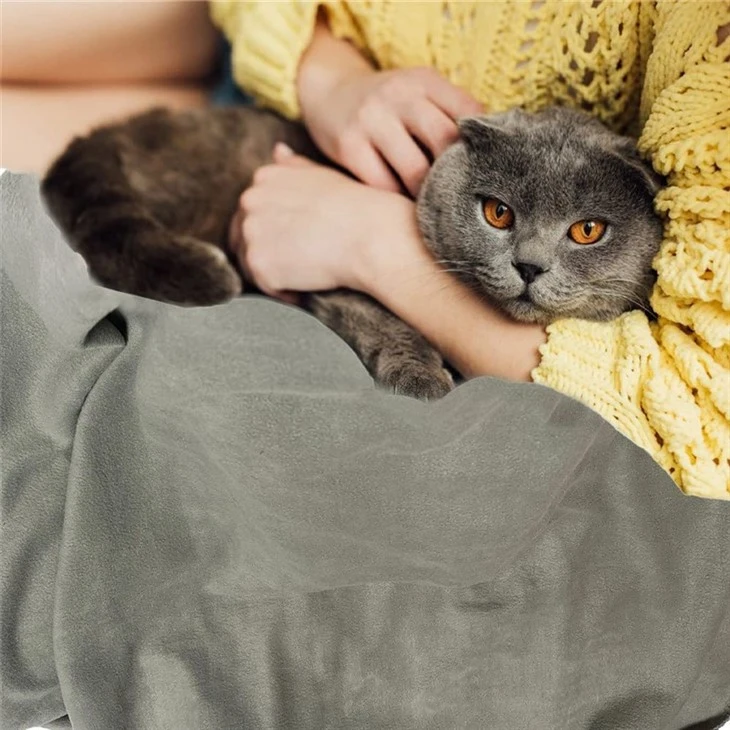
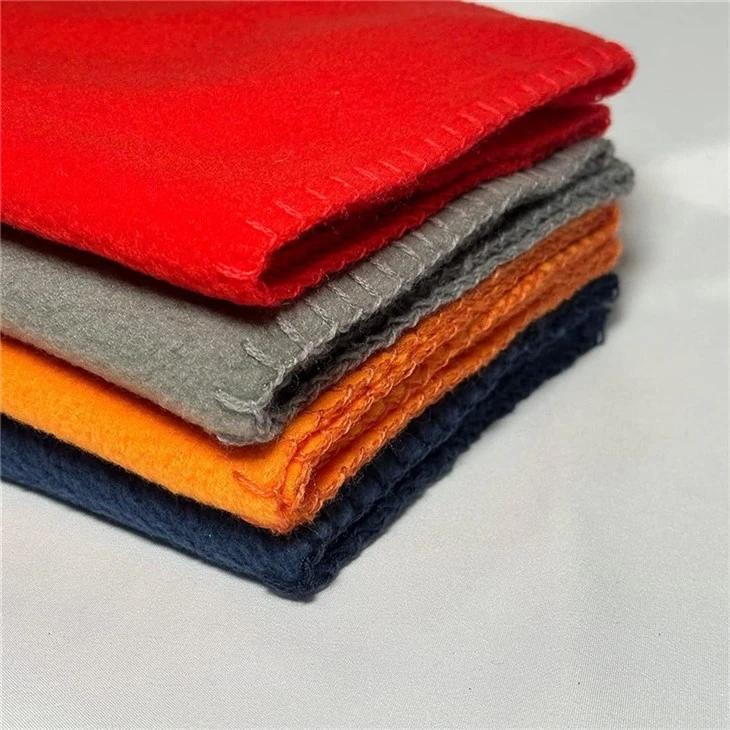
Another great option is the Solid Pattern Cotton Fabric Polar Fleece Blanekt. This blanket combines the comfort of cotton with the warmth of polar fleece. The solid pattern adds a touch of style, while the antibacterial property provides essential protection for your baby.
We also have the Blanket Polar, which is a versatile and durable baby polar blanket. It is suitable for use at home, in the car, or during outdoor activities. The antibacterial feature makes it a great choice for parents who want to keep their baby safe and comfortable at all times.
Quality Assurance
We take quality assurance very seriously. All of our baby polar blankets are tested to ensure that they meet the highest safety and quality standards. We conduct regular laboratory tests to verify the effectiveness of the antibacterial treatment and to ensure that the blankets are free from any harmful substances.
In addition, we have a strict quality control process in place during the production of our baby polar blankets. From the selection of raw materials to the final inspection of the finished product, every step is carefully monitored to ensure that you receive a high - quality and safe baby polar blanket.
Contact Us for Purchase and Negotiation
If you are interested in our baby polar blankets with antibacterial properties, we invite you to contact us for purchase and negotiation. We offer competitive prices and a wide range of customization options to meet your specific needs. Whether you are a retailer looking to stock our products or a parent looking for the perfect blanket for your baby, we are here to help.
Our team of experts is always ready to answer any questions you may have and to provide you with detailed information about our products. We believe in building long - term relationships with our customers, and we are committed to providing you with the best possible service.
References
- "Antibacterial Textiles: A Review" by X. Y. Hu, et al.
- "Safety Assessment of Antibacterial Agents in Textiles for Babies" by the International Journal of Pediatric Dermatology
- "The Use of Natural Antibacterial Agents in Textile Production" by the Journal of Textile Science and Technology